20 Nov 2022

A Deep Dive into India’s Soaps and Personal Care Powerhouses
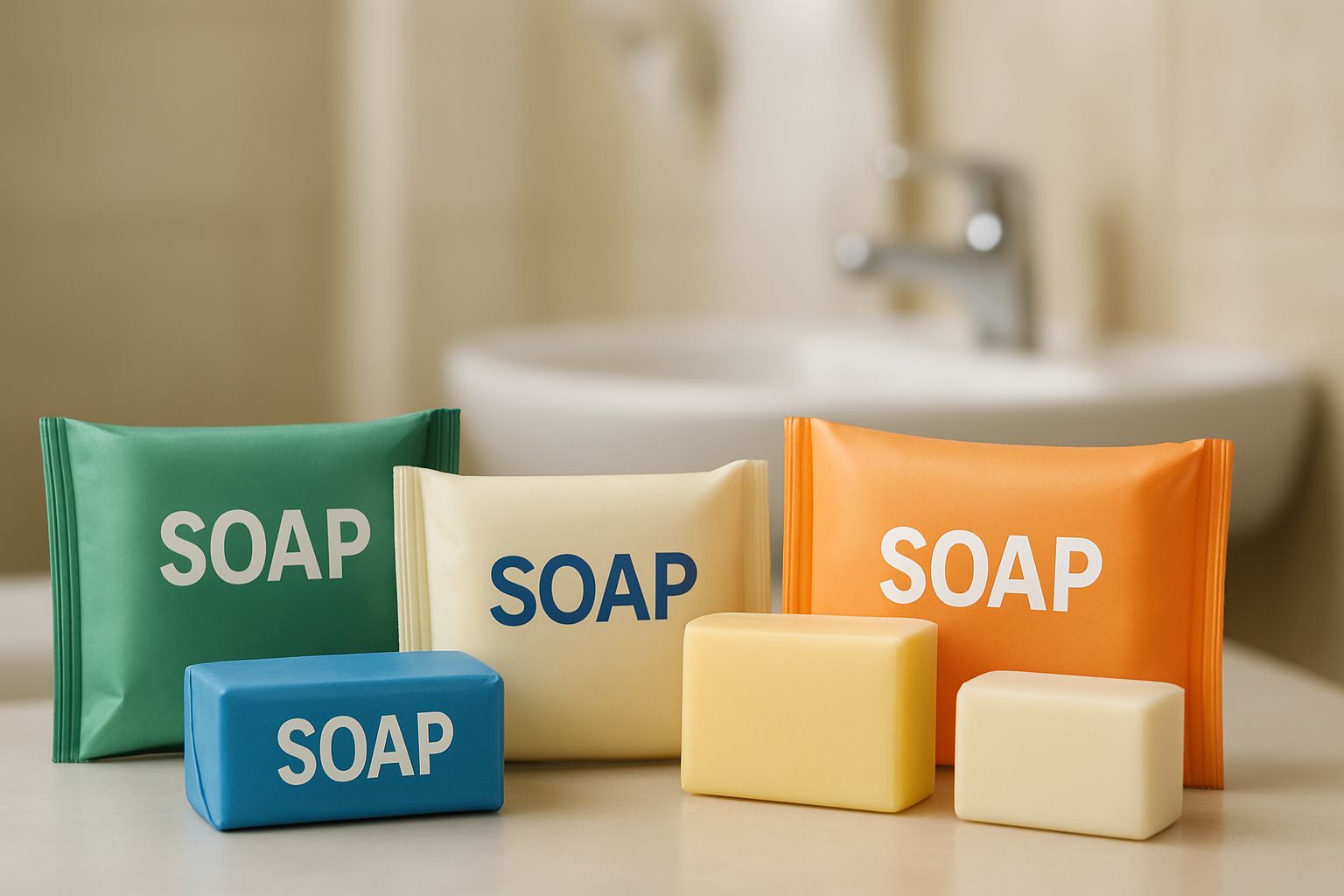
The bath and handwash segment is a dynamic and fiercely competitive space in India, with the soap market alone valued at approximately ₹35,000 crores. Leading this sector are industry giants like Hindustan Unilever, Godrej Consumer Products, Reckitt Benckiser, and ITC. While multinational brands, particularly those under HUL, dominate a significant share, homegrown Indian brands also have a strong demand have successfully carved out a space for themselves. Below, we highlight the key players—both global and domestic—shaping this market.
INDIA’S SKIN CARE SPECIALISTS
- Godrej – The Legacy of Innovation in Personal Care
Godrej No.1 – The Original Swadeshi Soap
Godrej No.1, launched in 1922 by Ardeshir Godrej, was India’s first vegetable oil-based soap, made without animal fat—a pioneering move during the Swadeshi movement. It was praised by Rabindranath Tagore, and remains one of India’s most popular soaps, known for its affordability, purity, and long shelf life.

Cinthol – The Iconic Deodorant Soap
Cinthol, owned by Godrej Consumer Products Limited (GCPL), is India’s first deodorant soap, launched on Independence Day in 1952. It revolutionized the Indian bathing experience by offering long-lasting freshness and fragrance. Over the decades, Cinthol has evolved into a complete hygiene line, including soaps, talcs, and deodorants, and has historically been endorsed by icons like Vinod Khanna and Virat Kohli. Its "Alive is Awesome" tagline continues to resonate with the youth, positioning it as a brand of energy, confidence, and vitality.

Godrej Magic – The Eco-Friendly Revolution
Godrej Magic, launched in 2018, is a revolutionary powdered handwash that requires only water to activate, reducing plastic usage and transportation costs. It’s a sustainable, affordable, and highly effective hygiene solution for the mass Indian market. The brand epitomizes Godrej’s commitment to innovation and social impact, bringing hygiene to millions with minimal environmental footprint.

Godrej Protekt – Hygiene for the Modern Age
Godrej Protekt, launched in 2014, is a dedicated hygiene and sanitation brand under GCPL. It offers a range of non-alcohol-based sanitizers, hand washes, and body washes, focusing on cleanliness and protection in a post-pandemic world. Positioned as a hygiene solution for the modern Indian household.

- Himalaya – Nature Meets Science
Himalaya, founded in 1930 in Dehradun, is a pioneer in Ayurvedic and herbal personal care. It was one of the first to use scientific research to validate Ayurvedic principles, and today offers a wide range of soaps, face washes, and skincare products. Its Neem-based soaps and face washes are particularly popular, known for their gentle, natural, and effective properties. Himalaya’s commitment to natural ingredients and traditional wisdom has made it a trusted name in Indian households.

- Patanjali – The Ayurvedic Giant
Patanjali Ayurved Limited, founded in 2006 by Baba Ramdev and Acharya Balkrishna, has rapidly become a household name with its Ayurvedic and Swadeshi positioning. Its soap range includes herbal, medicated, and skin-specific soaps, appealing to consumers seeking natural, chemical-free alternatives. Patanjali’s strong nationalist sentiment and affordability have enabled it to capture a significant market share.

- ITC – From Vivel to Savlon
Vivel – The Premium Bathing Experience
Vivel, launched in 2008, is ITC’s answer to the premium soap and body wash segment. It’s positioned as a mass-premium brand, offering rich lather and long-lasting fragrance, and is popular among urban consumers who value both quality and affordability.

Savlon – The Trusted Antiseptic
Savlon, now owned by ITC since 2015, is a well-known antiseptic brand that competes directly with Dettol. Originally from the UK, it has been repositioned in India as a trusted, non-stinging antiseptic solution, with a wide range of soaps, hand washes, and antiseptic liquids. It’s a mainstay in Indian households, especially for minor cuts and skin care.

Fiama – The Premium Soap Brand
Launched in 2007, Fiama is ITC’s premium soap and body wash brand, offering luxurious, skin-friendly formulas for the discerning Indian consumer. It’s positioned for the urban, modern buyer who wants a spa-like experience at home.

- Karnataka Soaps and Detergents Limited (KSDL) – Mysore Sandal Soap
Mysore Sandal Soap, launched in 1918 by the Maharaja of Mysore, is the world’s only soap made from 100% pure sandalwood oil. It is protected under a Geographical Indication (GI) and is a symbol of heritage and luxury. Known for its unique fragrance and skin-soothing properties, it’s favored by connoisseurs and gifting enthusiasts.

- Wipro – From Santoor to Jo
Santoor – The Youthful Icon
Santoor, launched in 1985, is a Wipro brand that quickly became a household name, especially in South India. It’s famous for its "Santoor Mammi" campaign, celebrating natural beauty and youthfulness, and has remained a favorite among young consumers for decades.

Jo – The Newcomer in Personal Care
In 2023, Wipro acquired the Jo brand from VVF (India) Limited, expanding its personal care portfolio. Jo is a soap brand with a modern, youthful appeal, and Wipro’s entry into this segment is part of its broader strategy to dominate the Indian personal care market.

- Medimix – The Ayurvedic Skin Care Specialist
Medimix, founded in 1969 in Kerala, is a herbal soap brand known for its 18-herb Ayurvedic formulation. Created by Dr. Valiparambil Padmanabhan Sidhan, it’s designed to treat minor skin ailments and is positioned as a natural, trusted solution for sensitive and problematic skin.

- Jyothy Labs – Margo, the Neem Powerhouse
Margo, launched in 1920 by Calcutta Chemical Company, is one of India’s oldest soap brands. Acquired by Jyothy Labs in 2011, it’s positioned as a Neem-based soap for skin purification and bacterial protection, leveraging the anti-bacterial properties of the Margosa tree.

- Emami – BoroPlus – The Multipurpose Antiseptic
BoroPlus, launched in 1984, is a versatile antiseptic soap and cream from Emami Limited, a leading Ayurvedic FMCG company. It’s used for cuts, burns, and skin irritation, and is highly trusted in Indian households for its soothing and healing properties.

- Raymond Group – Park Avenue – The Grooming Icon
Park Avenue, launched in 1986, is Raymond Group’s premium men’s grooming brand. It offers a range of personal care, grooming, and apparel products, and is positioned as a sophisticated lifestyle choice for the modern Indian man. It’s a symbol of elegance and class, and has established itself as a leader in the men’s grooming segment.

FOREIGN BRANDS
- Hindustan Unilever Limited (HUL) – The Global Powerhouse
HUL is home to some of India’s most iconic soap brands, each with a rich history and a unique positioning.
Lux – The Beauty Icon
Lux, introduced in 1929, is a global beauty soap that has become a symbol of glamour and beauty in India. With its "She is Lux" campaigns, it continues to be a top choice for women.

Lifebuoy – The Hygiene Hero
Lifebuoy, launched in 1895, is India’s most trusted antiseptic soap, originally created to combat diseases during the Industrial Revolution. It’s positioned as a guardian of health, especially in rural and mass markets, and remains a pillar of HUL’s hygiene portfolio.

Dove – The Moisturizing Revolution
Dove, launched in 1995, is famous for its "one-quarter moisturizing cream" formula. It’s popular among urban women for its gentle, nourishing properties, and has become a symbol of self-care and confidence.

Liril – The Freshness Champion
Liril, launched in 1975, is positioned around freshness and cleanliness, and has evolved with time to stay relevant. It’s a favorite in the mass market, known for its light, refreshing formula and affordable pricing.

Hamam – The Natural Family Soap
Hamam, launched in 1931, is one of India’s oldest family soaps, using natural ingredients like Neem, Tulsi, and Aloe Vera. It faces competition from Ayurvedic brands but remains a well known name in Indian homes for its mild and nourishing properties.

Rexona – The Coconut Olive Oil Powerhouse
Rexona, originally from Australia, is now part of Unilever’s portfolio. In India, it offers a moisturizing soap with coconut and olive oils, and is positioned as a skin-nourishing option for urban consumers.

- Nivea – The German Beauty Giant in India
Nivea, owned by Beiersdorf AG (Germany), has established a strong presence in India since 2006. Known for its skincare and personal care products, Nivea offers a wide range of soaps, lotions, and deodorants that cater to both men and women.

- Clean & Clear – The Skincare Specialist
Clean Clear, a Johnson Johnson brand, was launched in India in 2014, focusing on acne care and skincare for the youth. It’s positioned as a solution for oily and acne-prone skin, and has gained a loyal following among Indian teens and young adults.

- Dettol – The Antiseptic Legacy
Dettol, owned by Reckitt, is a globally recognized antiseptic brand, introduced in India in 1936. It’s used in homes and hospitals alike, and is trusted for its effectiveness in killing germs and treating minor wounds.

Trending Topics
Popular Post

Your guide to
identify Indian brands
✖